Some of the most successful healthcare entrepreneurs started their careers treating patients, not building companies. They spent years working inside the healthcare system, seeing its inefficiencies firsthand, before deciding to do something about them.
Clinical experience can be an enormous advantage for a founder. It provides an intimate, authentic understanding of the problems worth solving, along with credibility with healthcare stakeholders. Of course, being a great clinician doesn't automatically make someone a great entrepreneur. Building a successful company requires an entirely different set of skills they don’t teach you in medical school.
I wanted to highlight ten impressive clinicians who have managed to do both. These founders have built companies that have gone public, been acquired for billions of dollars, achieved unicorn valuations, or reached significant commercial scale. Their backgrounds span medicine, pharmacy, pathology, and nursing, and their companies address everything from primary care and fertility to AI diagnostics and workforce shortages.
1. Rushika Fernandopulle, MD, MPP
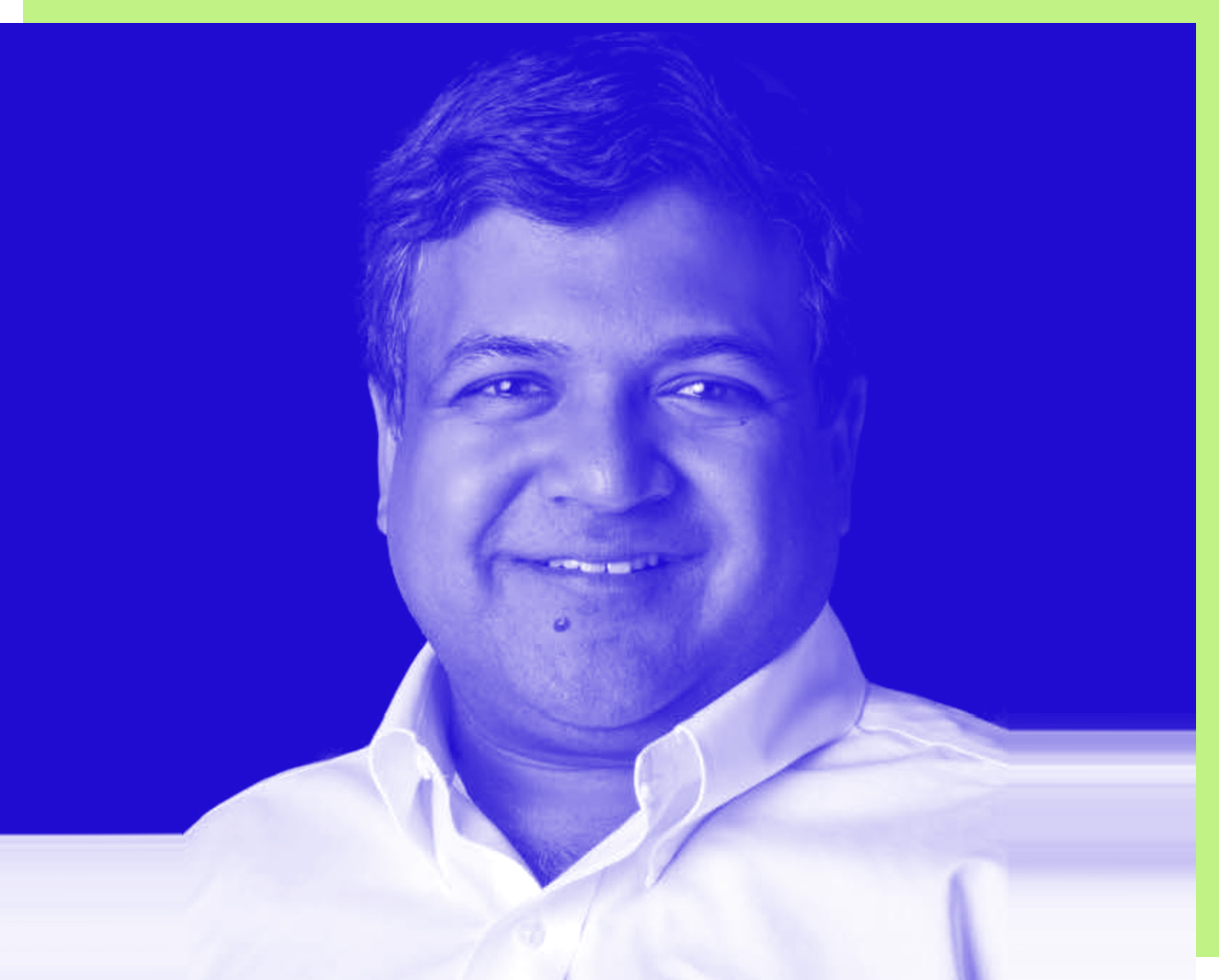
Rushika Fernandopulle co-founded Iora Health to rethink how primary care is delivered, particularly for older adults with complex medical needs. Instead of the traditional fee-for-service model, Iora emphasized long-term patient relationships, multidisciplinary care teams, and payment models that rewarded keeping patients healthy.
Iora was acquired by One Medical in 2021 in a transaction initially valued at approximately $2.1 billion. One Medical was subsequently acquired by Amazon in 2023. Rushika, who remains a practicing physician and Harvard Medical School faculty member, has since gone on to co-found Liza Health, which is developing an AI-enabled approach to longitudinal primary care.
2. Toyin Ajayi, MD
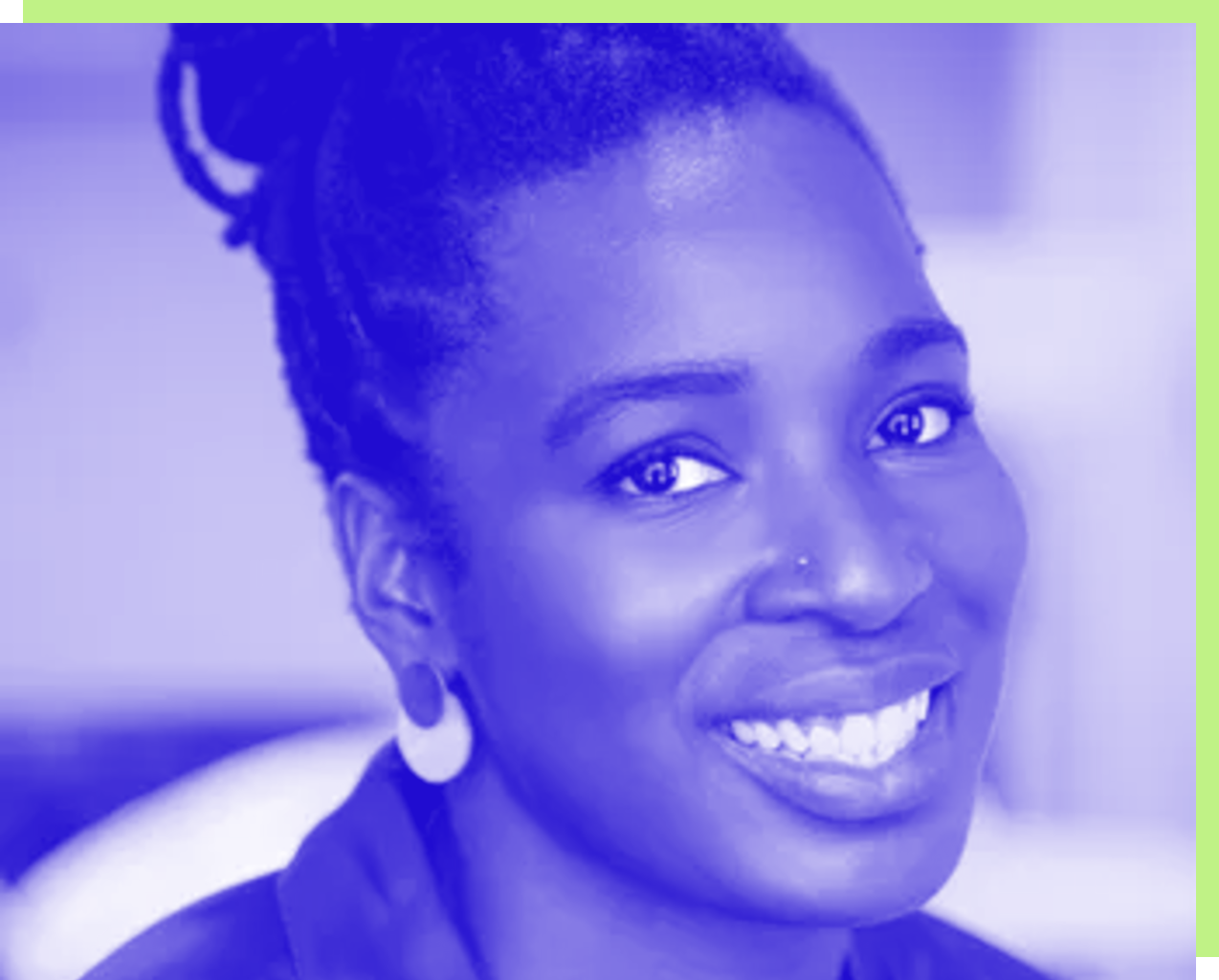
Toyin Ajayi is the co-founder and CEO of Cityblock Health, which was founded in 2017 to provide better care to people enrolled in Medicaid and Medicare, particularly those with complex medical and social needs. Cityblock integrates primary care, behavioral health, and social services, recognizing that improving someone's health often requires addressing problems that extend well beyond the doctor's office.
The company has achieved significant commercial scale. According to investor Kinnevik, Cityblock ended 2025 with more than $1.5 billion in annual recurring revenue and over 130,000 members across more than ten states. Toyin became CEO in 2022 and has helped establish Cityblock as a prominent example of value-based care for underserved populations.
3. Nate Gross, MD, MBA
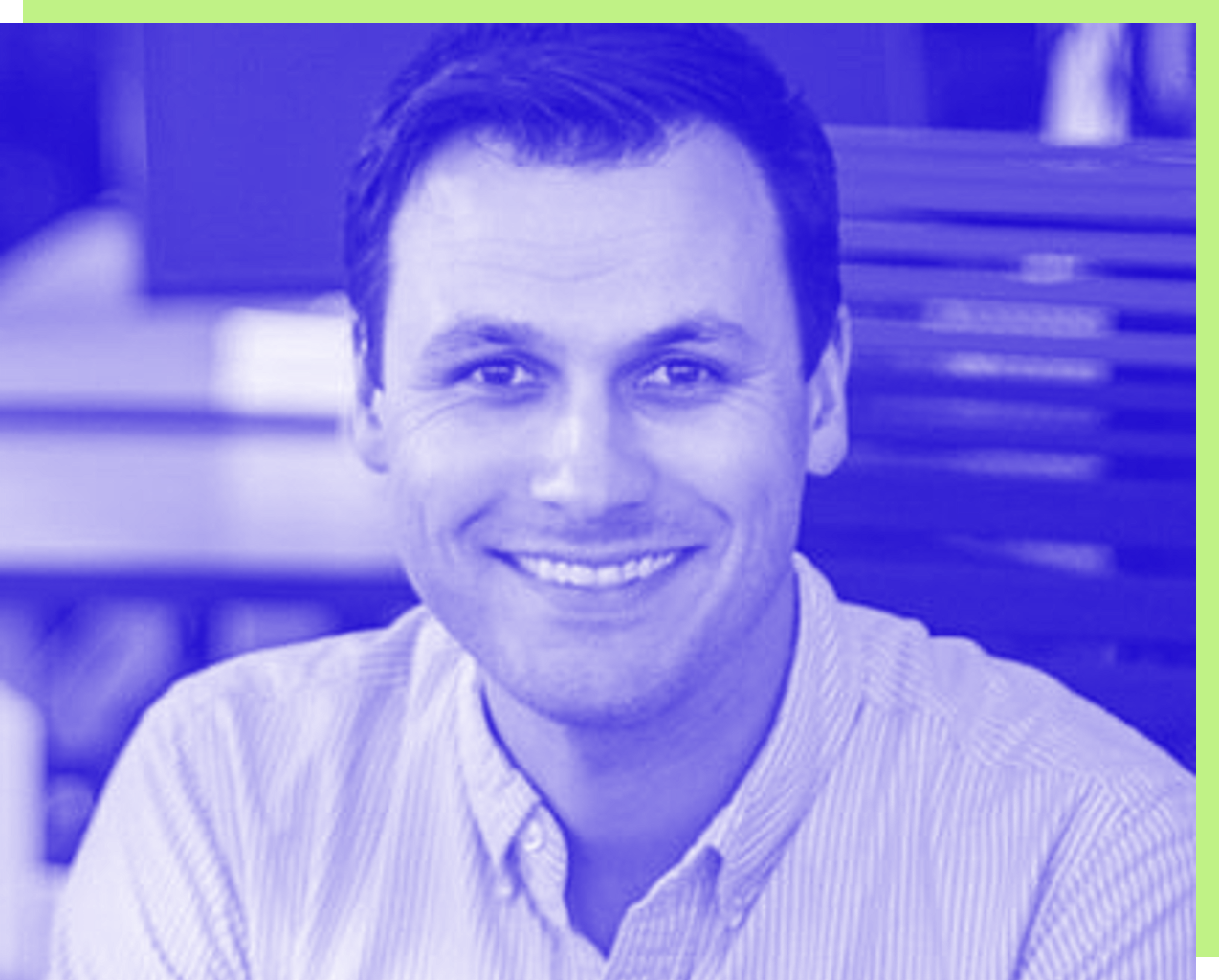
I am biasd on this one! Nate Gross was my co-founder at Rock Health, which we started in business school to cultivate and support the digital health ecosystem. Nate is also a co-founder of Doximity, the professional networking and technology platform for medical professionals.
Doximity went public in 2021 and has become one of digital health's most successful publicly traded companies. As of March 2026, the platform had more than three million registered members, including over 85% of U.S. physicians. The company generated approximately $645 million in revenue in its 2026 fiscal year. Nate is now heading up healthcare at OpenAI.
4. Tom X. Lee, MD, MBA

Tom Lee is a serial physician entrepreneur who has founded three influential healthcare companies. He co-founded Epocrates, an early mobile clinical reference tool that became widely used by physicians, before launching One Medical to make primary care more accessible, convenient, and patient-friendly.
One Medical helped popularize a membership-based primary care experience with modern offices, technology-enabled services, and easier access to appointments. The company went public in 2020 and was acquired by Amazon in 2023 in a deal valued at approximately $3.9 billion. Tom cannot be stopped! He more recently founded Galileo, another technology-enabled primary care company focused on making high-quality healthcare more accessible and affordable.
5. Farzad Mostashari, MD, MSc
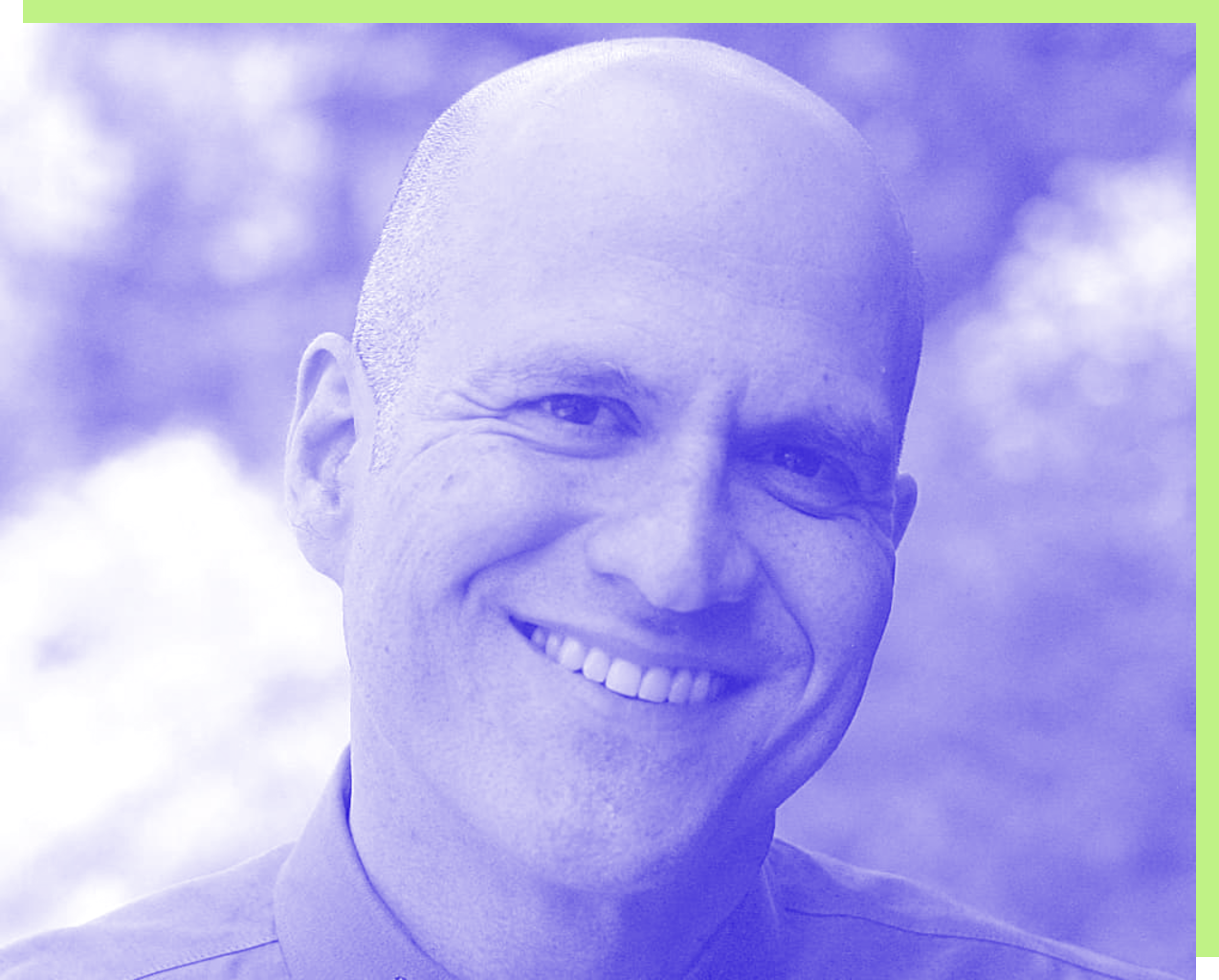
Before becoming an entrepreneur, Farzad Mostashari served as the U.S. National Coordinator for Health Information Technology, helping lead the country's adoption of electronic health records. In 2014, he co-founded Aledade to help independent primary care practices succeed under value-based payment models.
Rather than acquiring medical practices, Aledade partners with them, providing technology, analytics, and operational support to improve care and participate in shared-savings arrangements. The company was valued at approximately $3.5 billion in its 2023 financing round. By 2026, Aledade was supporting more than 3,000 primary care organizations across 46 states and Washington, D.C. The company reports that its accountable care organizations generated more than $1 billion in Medicare savings in 2024 alone.
6. TJ Parker, PharmD

TJ Parker grew up around pharmacies. As a second-generation pharmacist, he saw firsthand how difficult managing multiple medications could be for patients. He co-founded PillPack to make that experience dramatically simpler.
Instead of requiring patients to sort through numerous prescription bottles, PillPack organized medications into convenient, presorted packets and delivered them directly to patients' homes. Amazon acquired the company for approximately $1 billion in 2018, just five years after its founding. TJ subsequently helped build Amazon Pharmacy and Amazon Clinic. He is co-founder and CEO of his second startup, General Medicine, a "one-stop shop" platform designed to make medical services transparent and easy to shop for like retail.
7. Andrew Beck, MD, PhD
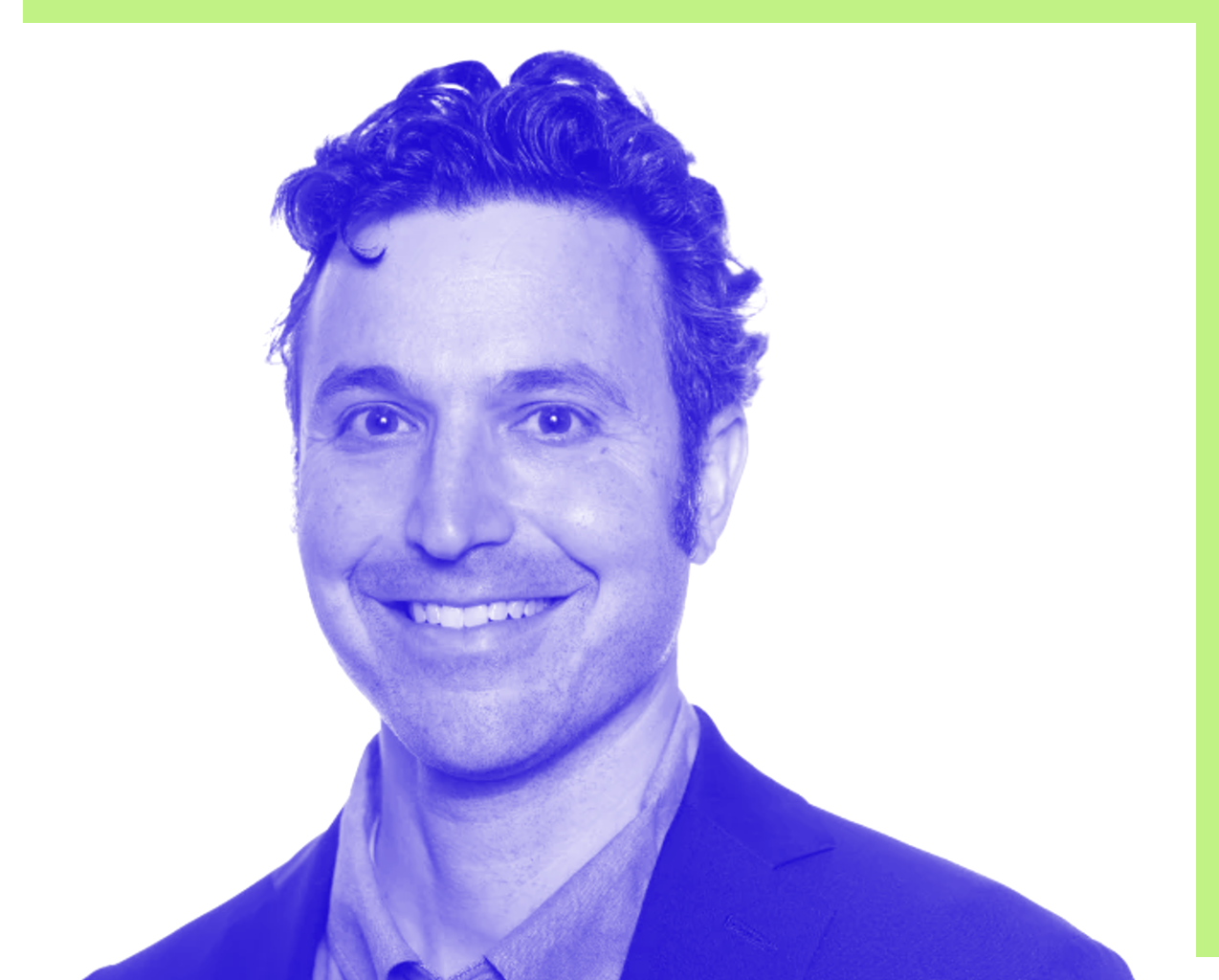
Andrew Beck trained as a pathologist and earned a PhD in biomedical informatics at Stanford, where he developed early machine-learning systems for cancer pathology. He later co-founded PathAI in 2016 to apply artificial intelligence to one of medicine's most important diagnostic disciplines.
PathAI develops AI-powered tools to help analyze tissue samples, support diagnostic workflows, identify biomarkers, and accelerate drug development. The company achieved several significant regulatory milestones, including FDA clearance for its AISight Dx digital pathology platform in 2025. In May 2026, Roche announced an agreement to acquire PathAI for $750 million upfront, with up to $300 million in additional milestone payments. The deal represents a significant milestone for AI-powered diagnostics, although completion of the acquisition remains subject to closing.
8. Iman Abuzeid, MD, MBA
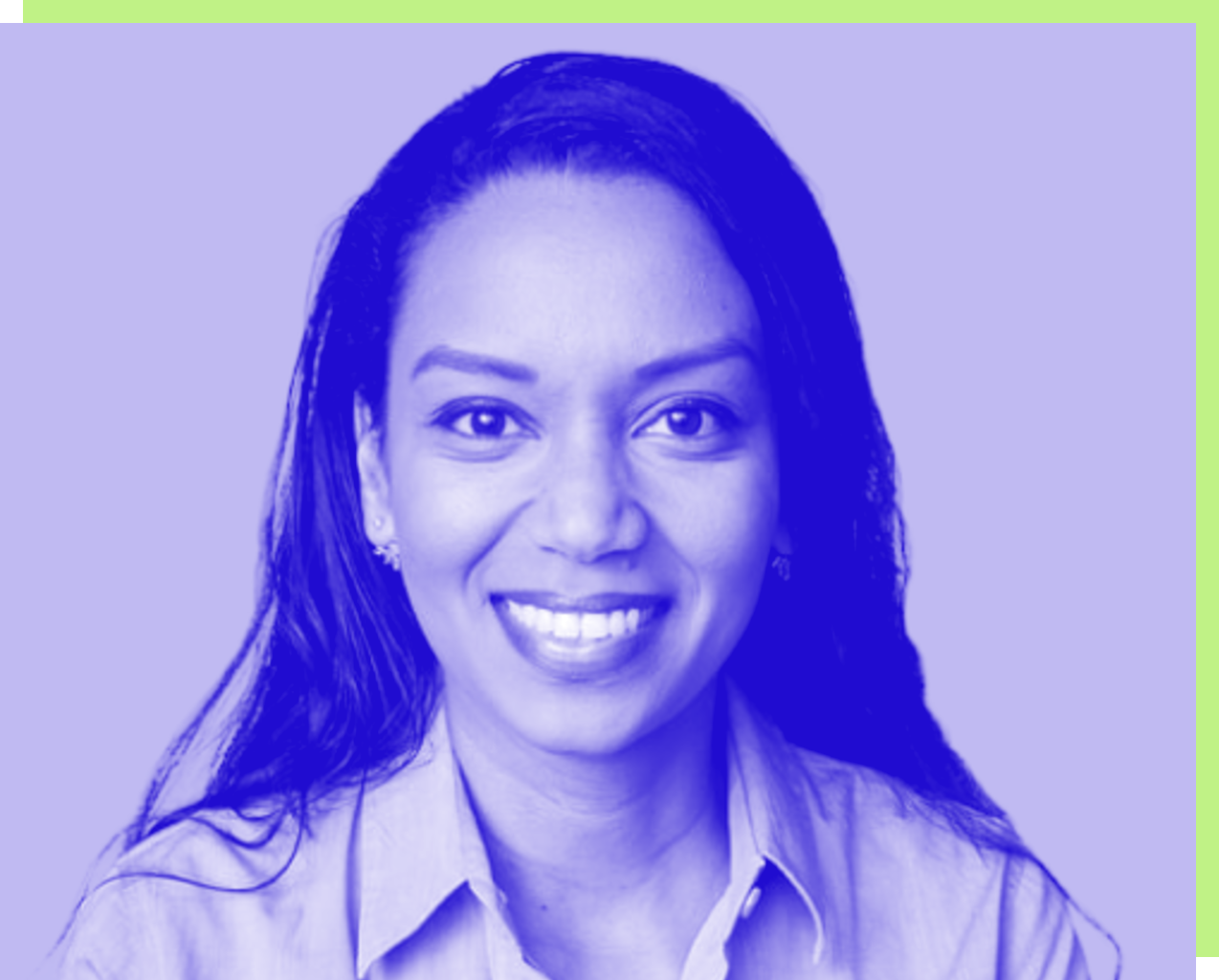
Iman Abuzeid earned her medical degree in the UK before moving into healthcare consulting and entrepreneurship. She co-founded Incredible Health in 2017 to solve one of healthcare's most persistent challenges: recruiting and retaining nurses.
Incredible Health turns traditional recruiting on its head by allowing hospitals to compete for qualified nurses, rather than requiring nurses to apply repeatedly for jobs. The company uses technology to match clinicians with opportunities based on their experience, qualifications, and preferences. Incredible Health reached a $1.65 billion valuation in its 2022 financing round. By 2026, its platform was serving approximately 1.5 million U.S. healthcare workers, establishing it as a major player in healthcare recruiting.
9. Asima Ahmad, MD, MPH

Asima Ahmad is a reproductive endocrinologist and infertility specialist who co-founded Carrot Fertility. The company was created to make fertility and family-building care more accessible through employer-sponsored benefits.
Carrot provides fertility benefits, clinical navigation, and support across services that include IVF, fertility preservation, adoption, and other family-building needs. As Co-founder and Chief Medical Officer, Asima oversees the company's clinical strategy while continuing to practice medicine. Carrot has raised ~$115 million in funding and serves more than 1,000 customers globally. Its growth has helped establish fertility benefits as an increasingly important component of employer-sponsored healthcare.
10. Chris Caulfield, RN, MSN, FNP-BC

Chris Caulfield is a registered nurse and family nurse practitioner who experienced the challenges of healthcare staffing firsthand. After years working in nursing, he co-founded IntelyCare in 2016 to give nursing professionals greater control over their schedules while helping healthcare facilities fill staffing gaps.
IntelyCare developed a technology-enabled staffing marketplace that connects nursing professionals with available shifts, particularly in post-acute and long-term care settings. The company raised $115 million in Series C funding in 2022 at a $1.1 billion valuation. Chris served as its Chief Nursing Officer, helping build the clinical, credentialing, and education infrastructure needed to scale. He has since gone on to found NP Collaborator, which helps nurse practitioners and physician associates navigate physician collaboration requirements.