
List of Super Bowl LX (2026) Healthcare Ads
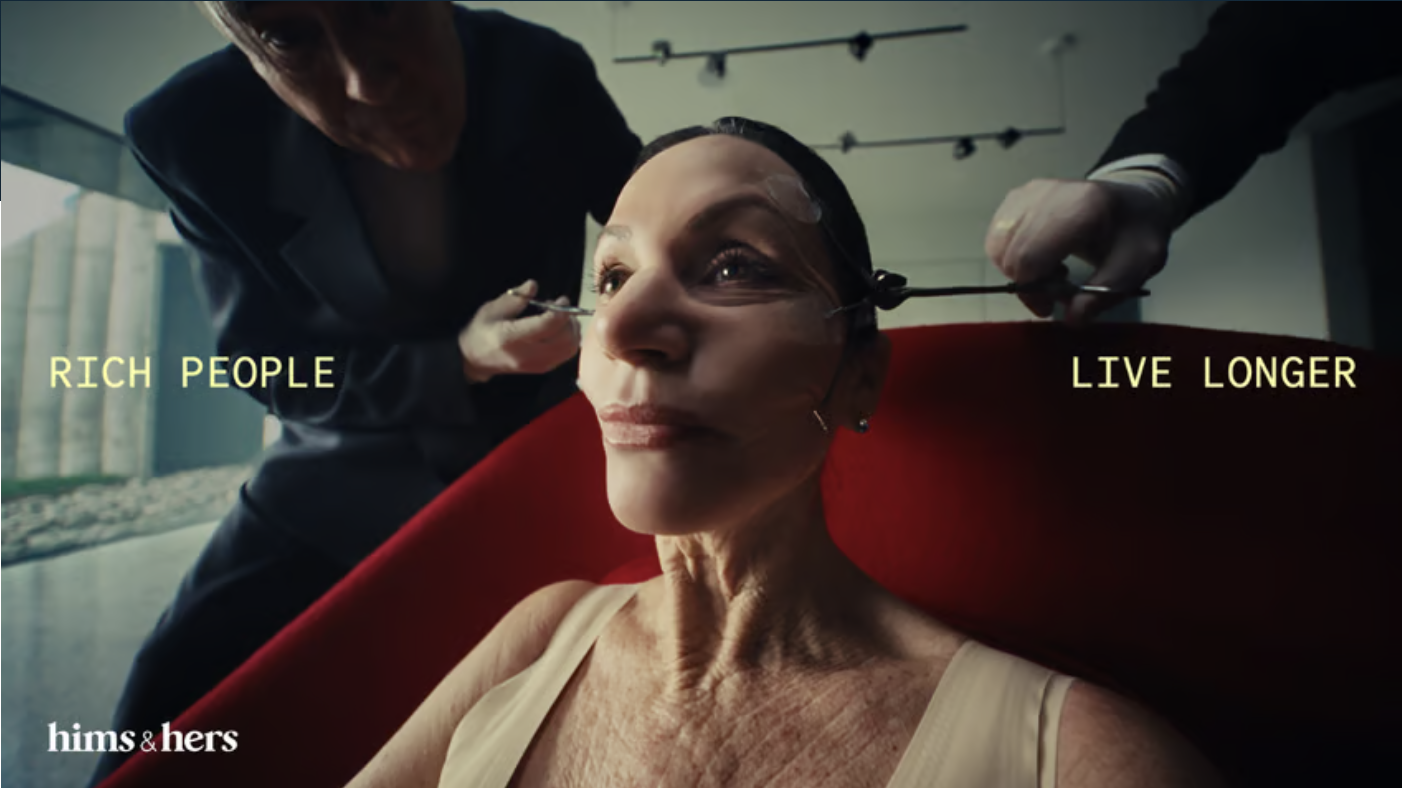
Super Bowl LX (2026) will go down in advertising history as one of the biggest years yet for healthcare brands, with an unprecedented slate of spots from pharmaceutical companies, digital health platforms, and preventive-care campaigns. Advertising traditionally dominated by CPG, tech, and auto has expanded, and healthcare is now firmly in the Big Game mix.
This year’s healthcare-related Super Bowl ads include:
Novo Nordisk (Wegovy) – the first major branded GLP-1 pill commercial featuring a slew of celebrities like Kenan Thompson, DJ Khaled, Danielle Brooks, Ana Gasteyer, John C. Reilly, and Danny Trejo
Ro – featuring Serena Williams pitching its GLP-1 weight-loss services
Hims & Hers – continuing its high-profile direct-to-consumer campaigns, featuring rapper and actor Common
Novartis – a prostate cancer awareness spot
Boehringer Ingelheim – kidney disease screening ad with Sofia Vergara
These spots point to a broader shift: healthcare brands are building consumer-facing brands that compete for attention alongside soda, snacks, and cars.
Why 2026 set records for healthcare ads
1. D2C healthcare brands have matured into mass-market advertisers
Direct-to-consumer (D2C) healthcare companies like Ro and Hims & Hers have been steadily adopting big-brand marketing tactics — celebrity spokespeople, cultural storytelling, and mainstream messaging. These brands see brand awareness as critical to growth, especially in highly competitive categories such as weight-loss treatments and telehealth services. A Super Bowl spot is one way to leapfrog on recognition.
2. GLP-1s have made healthcare mainstream
GLP-1 receptor agonists — initially introduced for diabetes but now widely used for weight and metabolic health — have propelled healthcare into broad public discourse. The buzz around these drugs has driven consumer searches, media coverage, and cultural curiosity in a way few medical products ever have. Super Bowl advertisers are seizing this moment to normalize and differentiate their offerings directly with consumers.
3. Preventive and chronic disease messaging resonates broadly
Campaigns like Novartis’s prostate cancer awareness spot and Boehringer Ingelheim’s kidney health messaging tap into concerns that affect millions of American adults. Unlike traditional pharma ads that feel technical or clinical, these spots use relatable narratives — tying medical issues to everyday life (and in Novartis’s case, football culture itself).
4. The Super Bowl remains the pinnacle of mass reach
Even as media splinters across streaming platforms and social channels, the Super Bowl consistently delivers a huge, diverse live audience, making it one of the few remaining venues where a single buy can still move broad awareness. With 30-second spots commanding roughly $8 million or more, the economics still make sense for brands willing to invest against that reach.
5. Healthcare marketing is shifting tone and craft
Healthcare commercials historically felt cautious and clinical. Today’s spots combine entertainment value, emotional storytelling, and cultural cues (celebrities, sports metaphors, humor), allowing healthcare messages to compete for attention rather than simply inform.
Notably missing? Any hospital ads
One Super Bowl LIX (2025) advertiser isn’t coming back this year: NYU Langone Health, the major nonprofit academic medical center that made headlines with a high-profile Super Bowl spot featuring former New York Giants receiver Victor Cruz and hospital clinicians in a football-themed message about teamwork. The ad promoted NYU Langone’s quality and brand stature, but it also sparked criticism from medical professionals and policymakers for several reasons:
Critics questioned the appropriateness of spending millions on a Super Bowl ad given the hospital’s nonprofit status and federal tax exemptions.
Physicians and commentators on social media questioned whether such a costly ad aligned with a mission of community benefit and patient care.
A sitting U.S. Congressman publicly challenged the decision, asking the health system to justify the huge expenditure amid broader scrutiny of nonprofit hospital budgets and charity care obligations.
Some clinicians voiced concern that the ad diluted the seriousness of healthcare with entertainment marketing rather than focusing on patient-centered messaging.
Perhaps unsurprisingly, no hospitals advertised in this year’s Super Bowl lineup, suggesting the scrutiny NYU Langone faced may have had a chilling effect on other health systems considering a Big Game splash.
Conclusion: a new era of health messaging on the biggest stage
Super Bowl 60’s healthcare ad lineup, from GLP-1 brands to preventive-care campaigns, signals a structural evolution in healthcare marketing. Fueled by D2C momentum, category expansion, and cultural appetite for health-related stories, this year’s Big Game is likely to be remembered not just for touchdowns and halftime shows, but as a milestone where healthcare became unmistakably part of mainstream popular advertising.
