The Truth About Cofertility
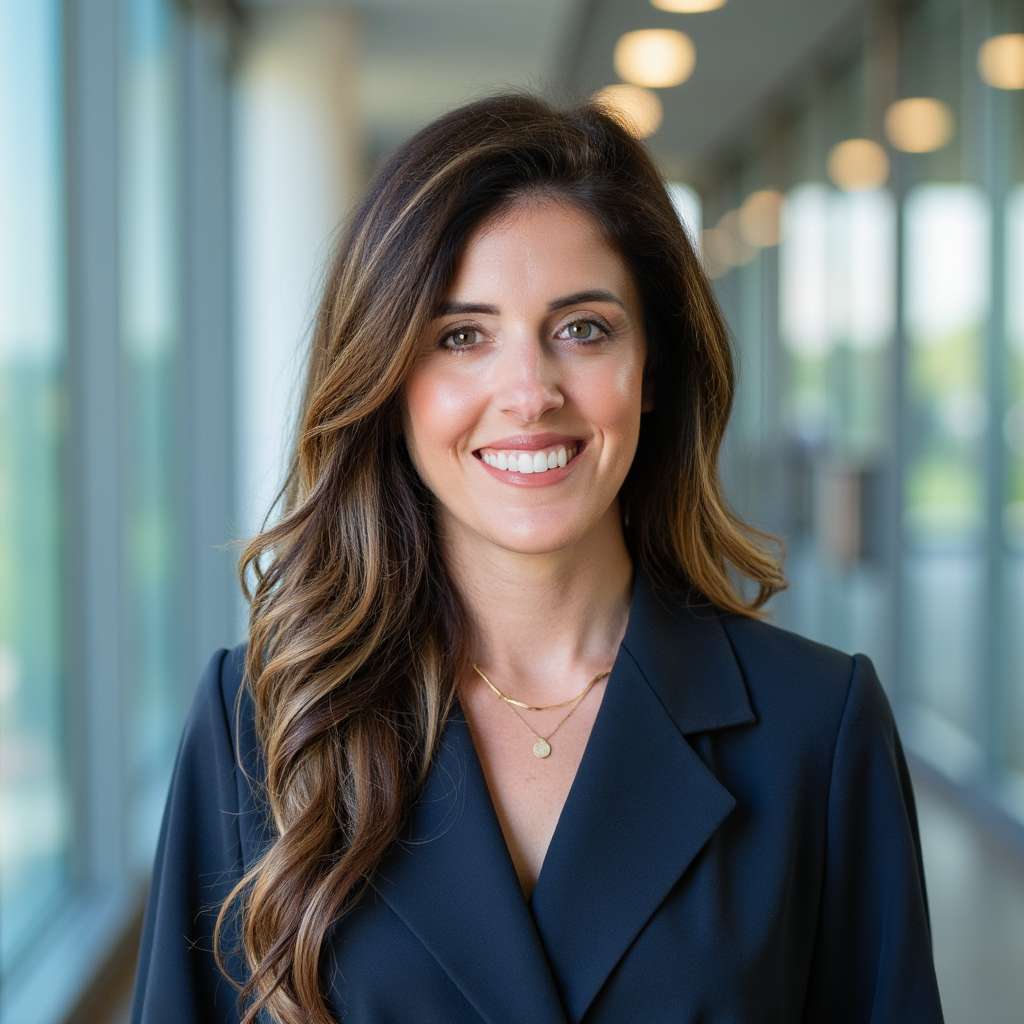
In addition to being a former IVF patient and board member at Resolve.org, I am a co-founder and board member at Cofertility. I wanted to share my perspective on why we started the company.

Not everyone believes women should be able to freeze or donate their eggs. Not everyone supports IVF or donor conception. Not everyone believes LGBTQ+ people, single people, or people outside traditional family structures should have access to the tools that help them become parents.
Because of this, people in the space, including patients, doctors, patient advocates, and employees, have sometimes become targets of harassment, intimidation, and even threats because of the care they seek, provide, or support. In 2025, a fertility clinic in Palm Springs, California, was bombed. One person was killed, at least four people were injured, and the FBI identified the bombing as an act of terrorism. Direct violence like this is rare, but fertility care has become increasingly politicized.
In 2024, the Alabama Supreme Court ruled that frozen embryos could be treated as children under the state’s wrongful death law. Alabama IVF providers halted certain IVF services until the Alabama Legislature passed a new law shielding medical providers from legal liability.
Some opposition to fertility care comes from conservative or religious groups that object to IVF, egg donation, embryo freezing, or donor conception on moral or theological grounds. The Heritage Foundation has said “it is hard to maintain a “pro-life” position while also supporting IVF”. The CatholicChurch opposes egg freezing, IVF, surrogacy, and gamete donation outright. The Southern Baptist Convention opposes standard IVF practices that create, freeze, or destroy embryos (they do encourage embryo adoption, however). Florida Attorney General James Uthmeier said conceiving children through surrogacy is the equivalent of “modern-day slavery”. These groups also oppose LGBTQ+ family-building or hold views of marriage and parenthood that exclude LGBTQ+ families.
We knew this when we started Cofertility. We knew egg freezing, egg donation, and donor conception would not be viewed by everyone as neutral medical services. We knew some people would see them as reproductive freedom, while others would see them as morally objectionable.
But the environment has become more tense since then.
The debate is playing out in courtrooms, state legislatures, religious institutions, clinics, and online. It affects whether IVF can safely operate in a given state. It affects whether LGBTQ+ and single parents are treated as legitimate families. It affects whether women are trusted to make informed decisions about their own fertility.
That reality has only made our values clearer.
We believe women should be able to make informed decisions about whether and when they want to freeze their eggs. We believe women should be able to donate eggs if they choose to, with full information, medical support, legal protections, and respect. We believe intended parents, including LGBTQ+ parents and single parents, deserve compassionate pathways to build families. And we believe donor-conceived people deserve to be considered in how this industry evolves.
Supporting fertility care means asking hard questions
I do not agree with groups that want to ban or restrict egg freezing, egg donation, IVF, donor conception, or LGBTQ+ family-building entirely. People deserve access to accurate information, ethical medical care, and the freedom to make informed decisions about their bodies, their fertility, and their families.
But that does not mean I think the fertility industry should be immune from criticism. Quite the opposite.
Fertility care deserves scrutiny. People should ask hard questions of any fertility clinic, egg bank, or agency. Are people being given accurate information? Are they following ASRM and FDA guidelines? Are donors able to make informed decisions? Are patients being treated with care? Are the costs and incentives clear? Are the limitations of the science being explained honestly? Are donor-conceived people being considered? And does the company respect the many different ways people build families?
The people behind fertility companies matter
We have seen a private equity takeover of fertility clinics and agencies in the last decade. Between 2013 and 2023, private equity ownership of US fertility clinics increased nearly tenfold, with affiliated sites responsible for 54% of all IVF cycles in the country in 2023. Many of the largest egg banks, including Fairfax EggBank, My Egg Bank North America, and Pinnacle Egg Bank, are now owned by private equity.
This is not to say that ownership structure is inherently problematic. A private equity-owned company can provide good care. A startup can make bad decisions. Even a nonprofit can still have misaligned incentives.
But when we were starting Cofertility, we were struck by how hard it could be to understand who was actually behind many fertility companies. Some have very little information about their leadership, ownership, or values on their websites. And across much of the industry, the voices most visible in decision-making were not always the voices of the people whose bodies, futures, and families were most affected by the work.
We felt the absence deeply. As women and fertility patients, we believed that egg freezing and egg donation could be done with greater transparency, dignity, and respect for everyone involved. We did not think the industry needed another anonymous marketplace for eggs. We thought it needed a model built around a more expansive view of family.
How Cofertility is different
Cofertility was built around three groups we believed were being underserved by the existing system.
The first was women who wanted to freeze their eggs, but could not afford to. Egg freezing is often most useful at a life stage when many women have the least financial flexibility. The option exists, but for too many people, the price makes it inaccessible. Cofertility is just one option among many, and we believe women are smart enough to choose the option that best suits them. (Often, Cofertility egg donors are those who have considered both egg donation and egg freezing, and egg sharing feels like a win-win, combining the desire to help others with the ability to invest in themselves.)
The second was intended for parents who needed donor eggs to build their families. Many come to donor eggs after infertility, pregnancy loss, failed IVF cycles, cancer treatment, genetic disease, or years of being told their path to parenthood is less valid. And yet the traditional donor egg process can feel transactional, opaque, and impersonal.
Last but certainly not least were donor-conceived people. The fertility industry has historically focused on the adults making decisions at the time of treatment: donors, intended parents, clinics, agencies, and physicians. But the humans we are helping bring into this world are immensely important. They are the ones who may grow up with questions about identity, genetics, medical history, siblings, and the circumstances of their conception.
In addition to offering egg sharing, where women can freeze their eggs for free when donating half to a family that can’t otherwise conceive, here are four ways Cofertility is unique from the rest of the industry:
Cofertility background-checks both parties. While background checks are standard for egg donors, as far as we are aware, Cofertility was the first (and is the only) organization or clinic in the country to also do background checks on intended parents.This adds time and money to our process. But because we believe we have a duty to both the egg donor and the future donor-conceived child, we do it anyway.
Cofertility caps each donor to three family matches. Other egg banks only limit the number of retrievals a donor can do to the max allowable per ASRM (six retrievals), but not necessarily the number of families her eggs can go to, which can easily be up to 30 with six retrievals. That distinction matters. From the perspective of donor-conceived people and donors who may one day have their own children, the number of genetic half-siblings in the world is not a minor detail. Other egg banks don’t do this because more cycles and more families enable them to spread fixed costs per donor across more revenue.
Cofertility is honest about anonymity. For years, the fertility industry promised donors anonymity. The status quo is that no one meets, and no names or contact information is exchanged. But in the age of consumer DNA testing, true anonymity is not something any fertility company can guarantee. Cofertility tells members that plainly, because people deserve to make decisions based on the world as it actually is, not the world the industry once pretended existed.
Cofertility treats every donor equally. Lastly, Cofertility does not believe a donor’s value should depend on her education, appearance, ethnicity, or prior donation history. In the traditional donor egg market, donors are paid or priced differently based on these characteristics. That felt wrong to us. At Cofertility, every donor is treated as equally valuable, because she is. This has allowed us to attract a significantly more diverse donor population than typical egg banks, enabling us to offer a broader population access to egg freezing, and to help intended parents from all backgrounds build their families.
None of these choices is the easiest or most profitable way to run an egg donation program. But that was never the point. We are trying to build a model that is more transparent, more human, and more aligned with the long-term interests of donors, intended parents, and donor-conceived people.
The truth about Cofertility
The truth about Cofertility is not that we are perfect. No organization is.
But the team genuinely cares, listens closely, and takes the feedback people generously share seriously. We will keep learning and improving.
What we will not accept is the idea that women cannot be trusted to make informed decisions about their own bodies, their own fertility, and their own futures. We also reject the idea that LGBTQ+ parents, single parents, or families formed through donor conception are less legitimate than any other family.
We started Cofertility because we believed the existing egg freezing and egg donation systems were not good enough. We wanted to build something more aligned with the values we believe should guide fertility care: autonomy, dignity, transparency, inclusion, and respect for the seriousness of the decisions people are making.
Cofertility should be asked hard questions. This industry should be asked hard questions.
Questions about consent, incentives, reproductive autonomy, transparency, medical accuracy, donor dignity, intended parent support, respect for donor-conceived people, and long-term responsibility. That is the future of fertility care I believe is worth building.